

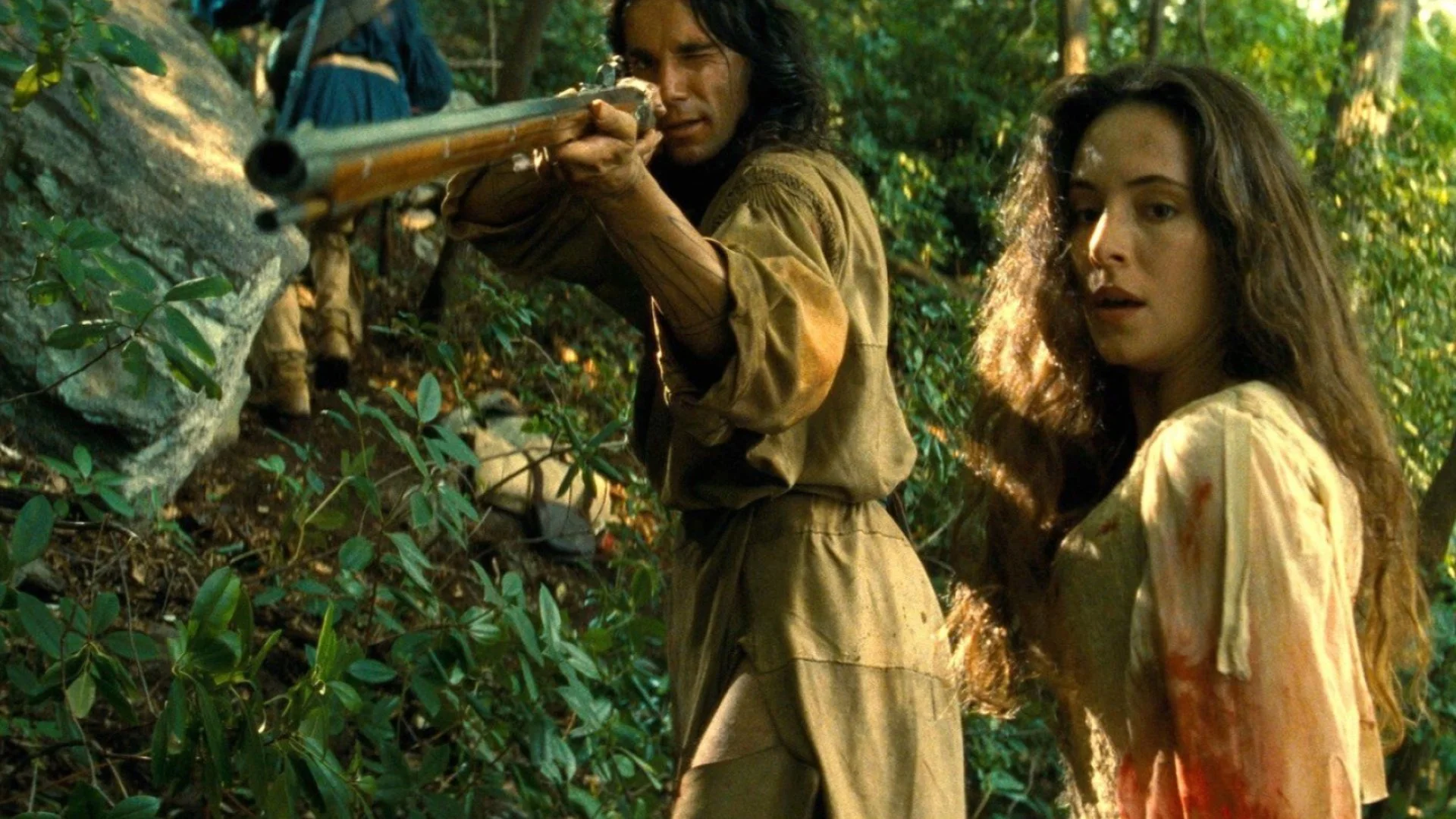
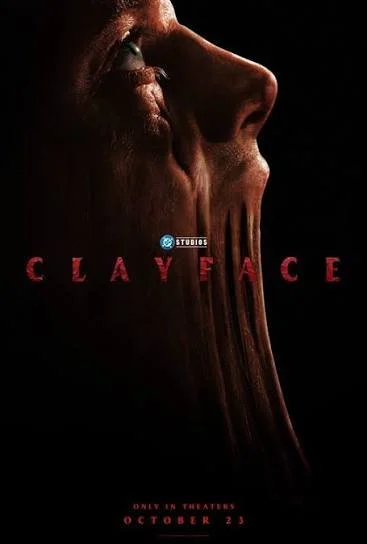
Clayface has a wonderfully nasty groove and feels like another fractured reflection of the same old Gotham tragedy: a person trying to survive trauma by becoming something else.
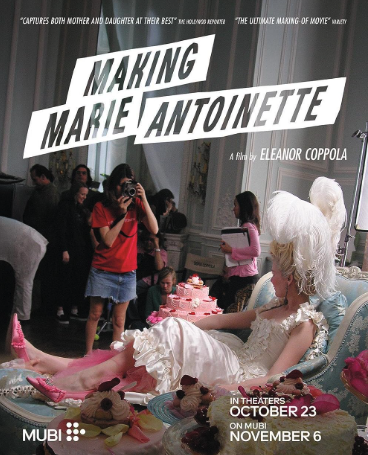
Eleanor leaves us with something more intimate than a behind-the-scenes record: a mother watching her daughter make a movie, and making another one alongside her.
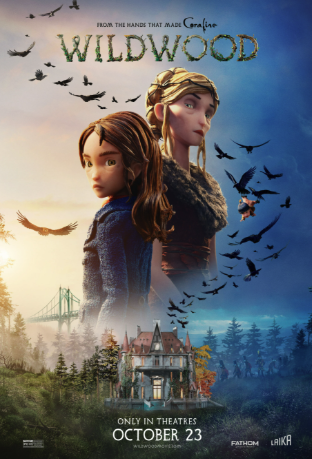
Three hundred coyotes in waistcoats march through a mountain range; somebody moved every one of those legs by hand, one frame at a time, and then did it again. I was lost in the story when that shot arrived and it threw me straight out of it, which is the problem and the glory of Wildwood in a single image.
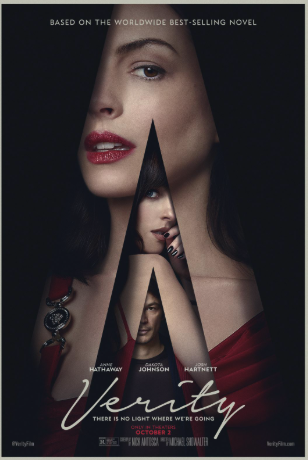
There’s a difference between a bad film and a bad time, and Verity is an excellent bad time.
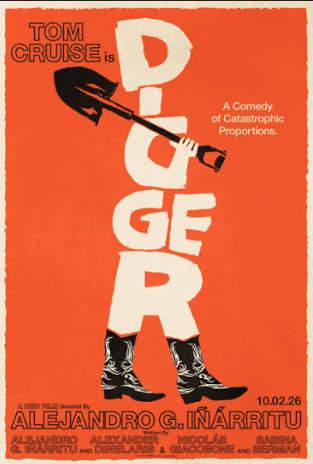
Alejandro González Iñárritu’s Digger is enormous, strange, technically dazzling and so determined to be itself that even its misfires have a certain electricity.
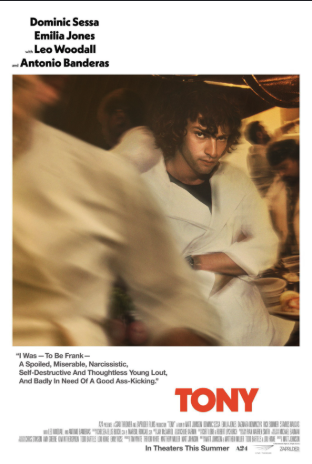
Matt Johnson’s Tony understands more than a conventional coming-of-age story, it is a film about a young man discovering, with increasing discomfort, just how little he knows.
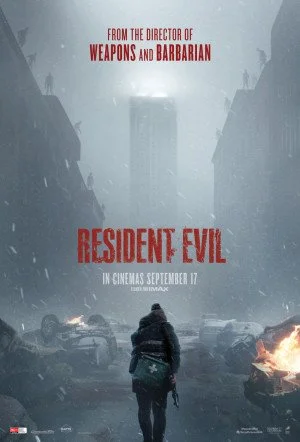
The monsters are tactile, weird and genuinely disgusting, and Cregger lets them stay disgusting instead of cutting away. Hays and Ryan Holladay’s score does the synth-pulse thing that Carpenter invented, but the intelligence is in the placement.
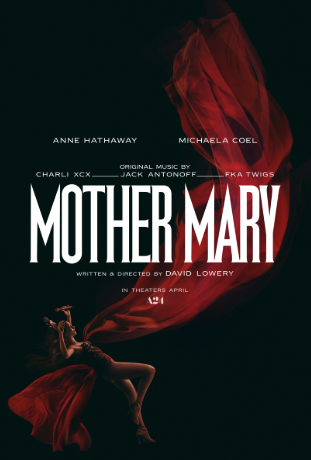
Lowery’s answer is to refuse the psychological register entirely. Whatever sits unfinished between these two gets expelled as an actual vengeful presence, a thing with intent that has to be dealt with in the room.
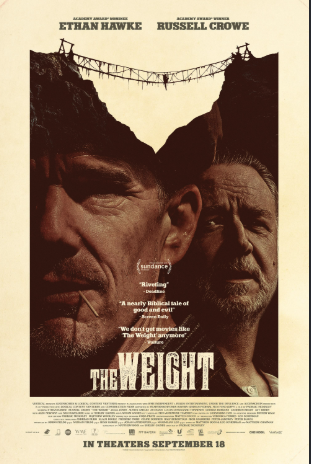
Director Padraic McKinley keeps the value front and centre. The most abstract thing in a crime film becomes something with mass that pulls down on a spine.
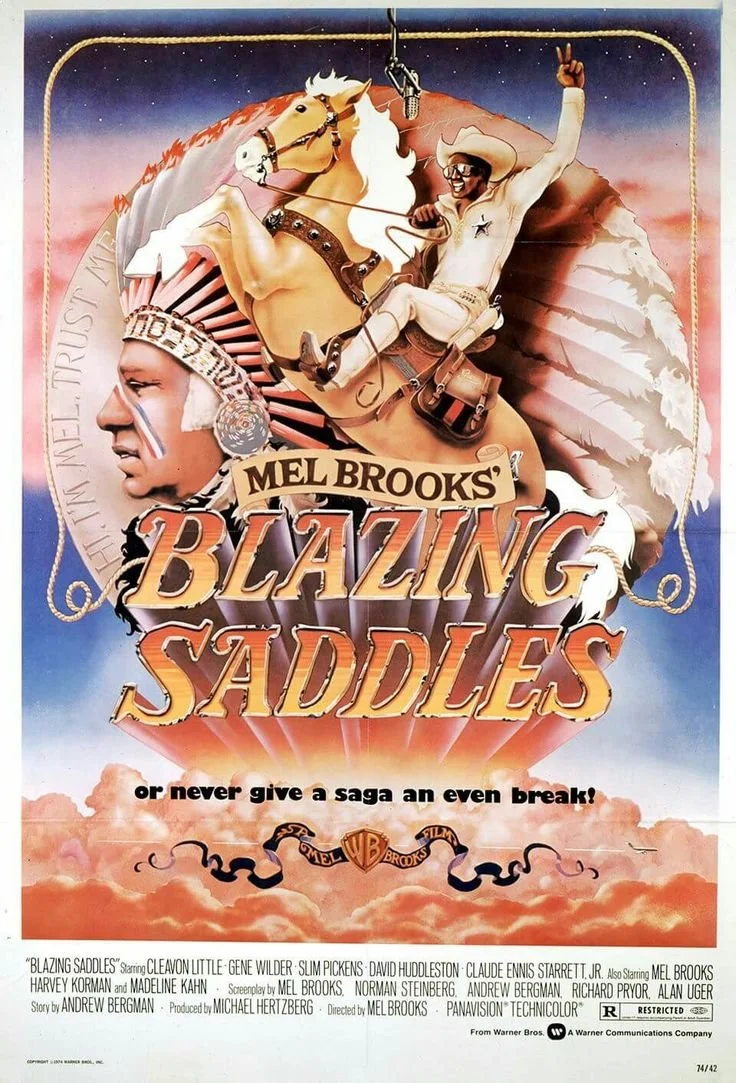
On the eve of the premiere of not one, but two of his Hallmark Christmas movies, screenwriter Russell Hainline joins us to discuss the Twitter-poster-to-Hallmark-writer pipeline, his upcoming projects “The Nights Before Christmas” and “Mistletoe and Mimosas,” and his favorite movie of all time, Mel Brooks’s durable Western spoof.
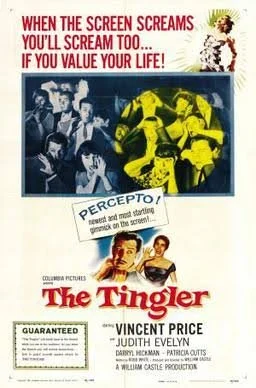
Did you know that fear lives within your body, a creature that attaches itself to your spine that can only be subdued by screaming? True medical fact! At least that’s the premise of William Castle’s 1959 shocker, notorious for installing buzzers in audience members’ seats. Matt Singer joins us to share the love for Castle and Vincent Price — and to discuss his fantastic new book, “Funny Business: The Old-School Wedding Crashers and Knocked-Up Virgins Who Changed Comedy Forever.”
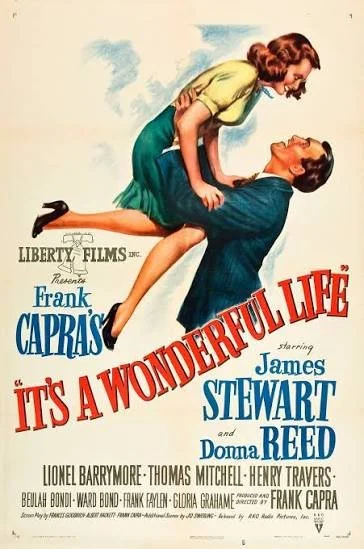
“Every Time a Bell Rings: The Legacy of ‘It’s a Wonderful Life,’ America’s Most Beloved Holiday Film” is Emily St. James and Lauren Theisen’s thoughtful, deeply researched, and beautifully composed meditation on Frank Capra’s 1946 classic. They join us to discuss its themes, its reputation, its peculiar history, and its ongoing legacy.
Our pal Sean Burns joins us to discuss how a near-death experience left him eager to revisit Bob Fosse’s 1979 examination of his own flaws, demons, indulgences, and professional grind. Come for the celebration of a New Hollywood classic, stay to watch Rob Marshall catch many, many strays!
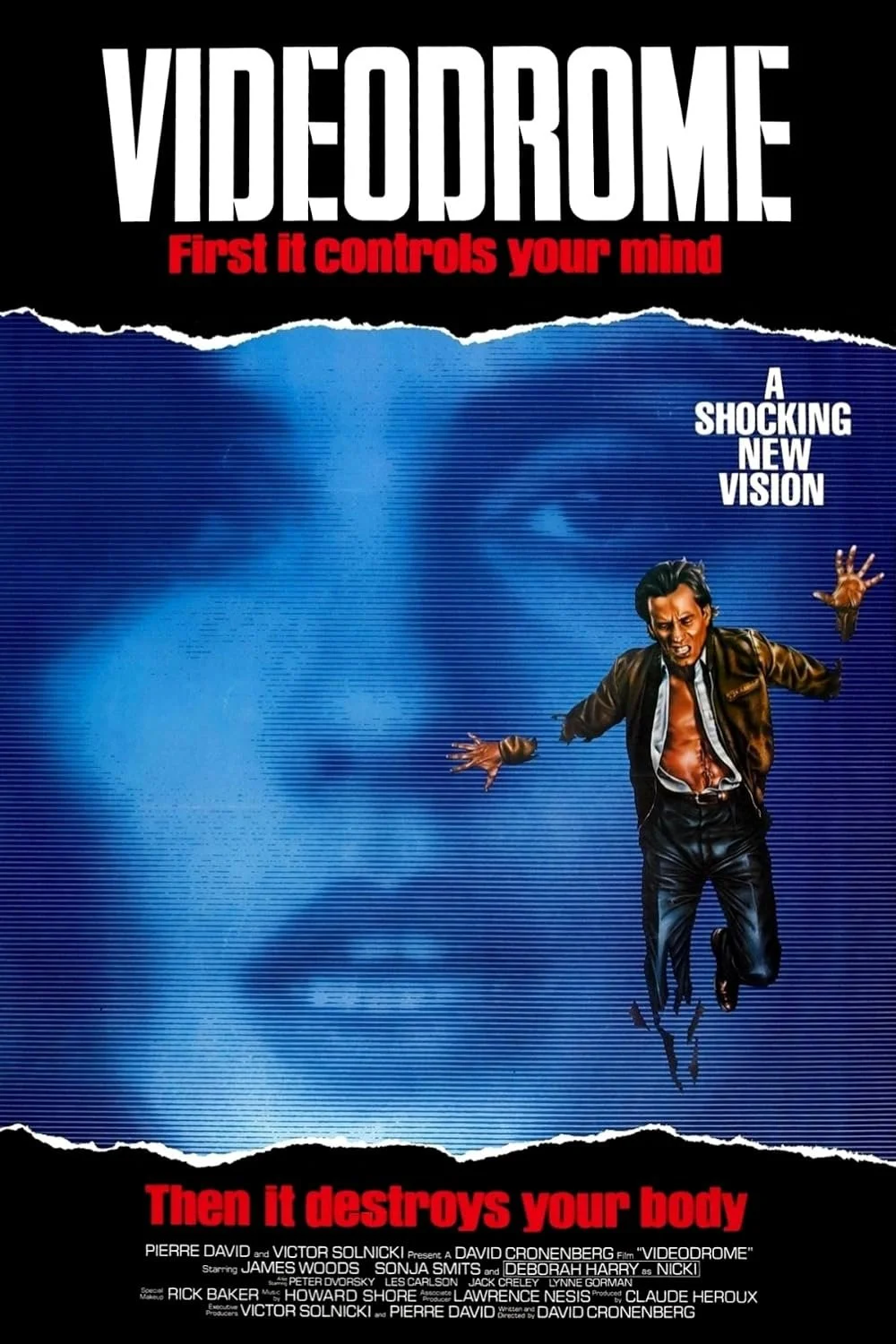
Carmelita Valdez McKoy is a carnivorous watcher of movies, and has been her entire life. She shares the details of her cinematic education with us on this week’s episode, and her thoughts on David Cronenberg’s both of its moment and waaaaay ahead of its time smash-up of sci-fi, body horror, and media commentary.
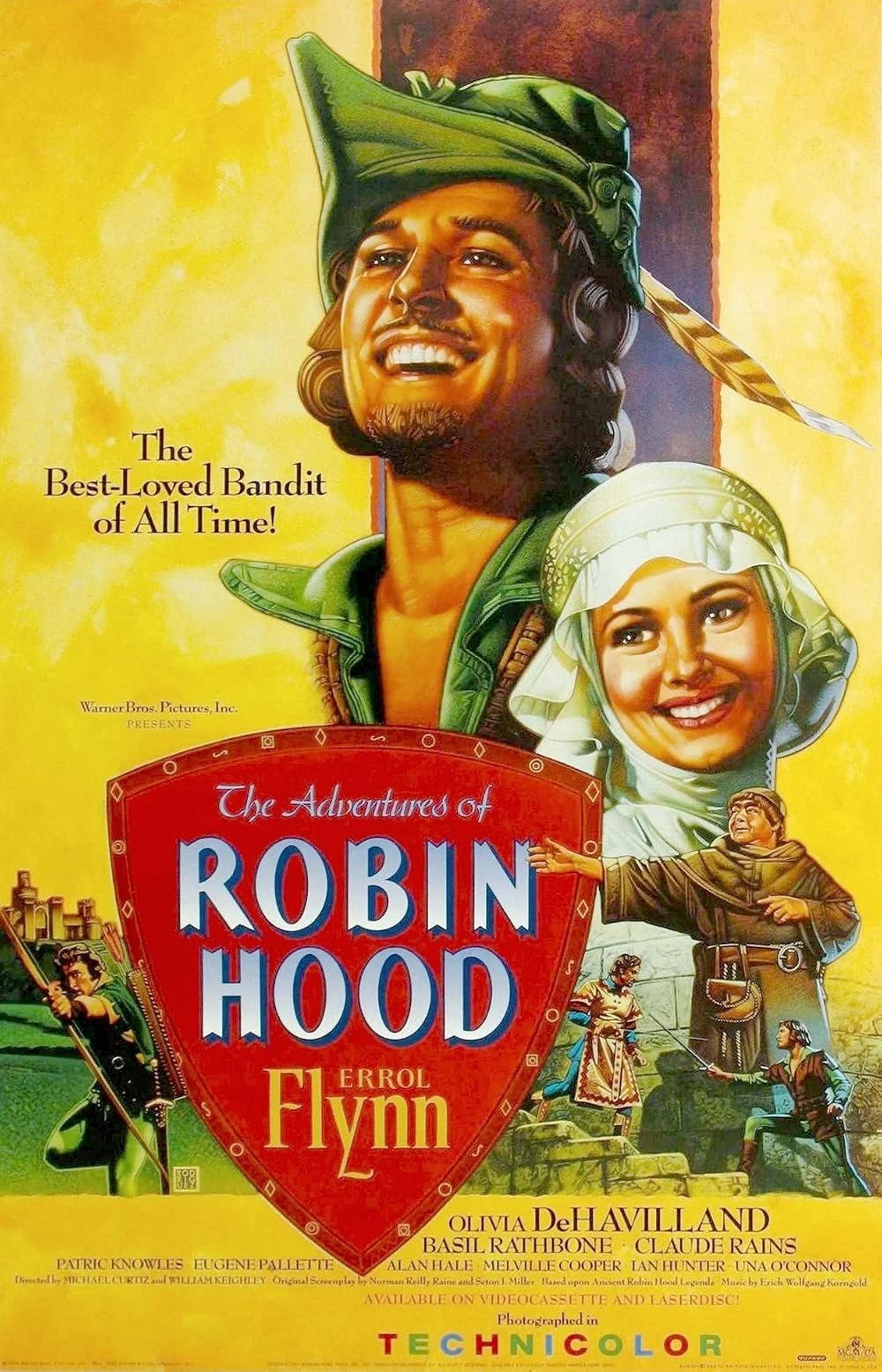
Writer, The Film Stage co-founder, and “The B-Side” co-host Dan Mecca joins us fresh off a fabulous Letterboxd roundup of Robin Hood movies to talk about the consensus choice for the best of them all: the 1938 Technicolor extravaganza, featuring the dream team of Errol Flynn and Olivia de Havilland.
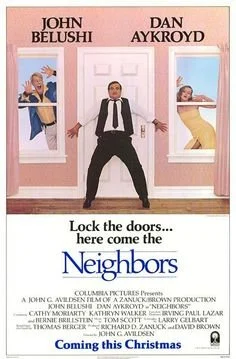
Usually our guests select a movie they love. Film essayist, podcaster, and ‘80s chronicler Drew McWeeny instead picked a movie he knows doesn’t work, but is fascinated by: noted non-comedy director John G. Avildsen’s adaptation of Thomas Berger’s satirical novel, the final on-screen pairing of the cast-against-type John Belushi and Dan Aykroyd.

Sarah Welch-Larson’s book “Becoming Alien: The Beginning and End of Evil in Science Fiction's Most Idiosyncratic Film Franchise” thoughtfully and energetically explores the series that launched with Ridley Scott’s magnificent 1979 sci-if/horror mashup, so she joins us to discuss its making, execution, and ongoing influence.
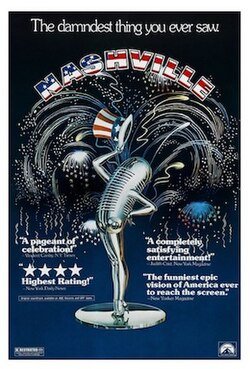
It's the 250th Anniversary of the Declaration of Independence, so Jason and Mike are celebrating by talking about Robert Altman's seminal encapsulation of the USA's chaos and beauty, and by previewing Mike's new show, where he does long-form deep dives exploring our ongoing experiment, Whitewashed History.
Whitewashed History premieres on the 4th of July on Substack and wherever you find your podcasts.
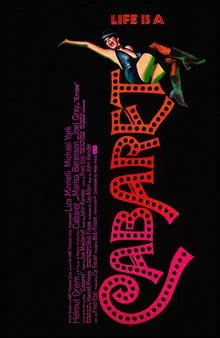
Isaac Butler’s phenomenal new book, “The Perfect Moment: God, Sex, Art, and the Birth of America's Culture Wars,” is a detailed examination of the intersection of art and politics in the late ‘80s and early ‘90s — just like Bob Fosse’s 1972 film adaptation of the Weimar-set Broadway smash. We discuss both in this week’s can’t-miss episode!

Film essayist, podcaster and author of “Ed Wood: Made in Hollywood USA” Will Sloan joins us for our first discussion of one of the XXX-rated titles in GUIDE. We’ll discuss the transgressive 1982 adults-only dystopian satire ”Café Flesh” — and the blurry line between mainstream and hardcore.

Film critic, essayist, and programmer Ashley Clark’s most recent book is “The World of Black Film: A Journey Through Cinematic Blackness in 100 Films,” and he joins us to discuss one of the most beloved of those films: Perry Henzell’s reggae gangster classic, “The Harder They Come.”


Whalefall works because it gets beneath your skin. The ocean’s vast, indifferent darkness becomes a physical expression of the protagonist’s emotional predicament, and the film’s extraordinary visuals make the experience feel tactile enough to tighten every muscle in your body.